Organic fertilizer plants need stable raw-material preparation before they start granulation or packing procedures. A suitable commercial compost grinder for organic fertilizer production helps fertilizer manufacturers handle fermented organic materials, improve particle uniformity, and prepare materials for the next fertilizer processing stage. A professional fertilizer factory usually evaluates raw material type, moisture condition, production capacity, and final fertilizer requirements before selecting grinding equipment.
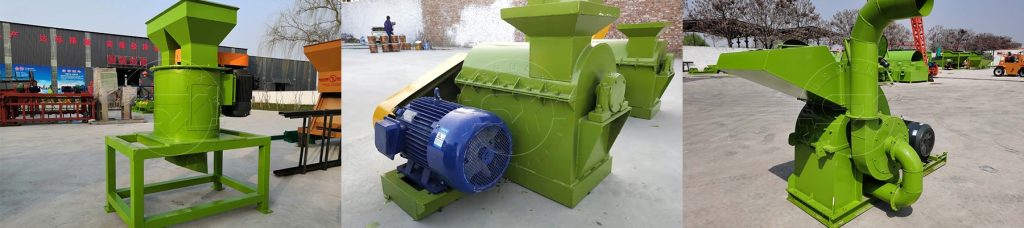
What raw materials can a compost grinder handle in organic fertilizer production?
Organic fertilizer manufacturers usually process different biological materials according to local resources and production plans. Chicken manure, cow dung, pig manure, sheep manure, agricultural straw, rice husk, mushroom residue, and other fermented organic waste can become suitable raw materials after proper treatment.
The composting process changes the physical structure of these materials. After fermentation, organic materials often contain lumps or uneven particles because microorganisms break down the original structure. A compost grinder helps the fertilizer production system create a more uniform material condition before mixing, granulation, or packaging.
A fertilizer processing plant that uses chicken manure may require equipment that can handle sticky and moisture-containing materials. A factory that uses straw or agricultural residues may focus more on crushing efficiency and particle size control. Therefore, the fertilizer manufacturing system should connect raw material characteristics with equipment selection.
The organic fertilizer production procedure normally includes fermentation preparation, crushing, mixing, granulation, drying, screening, and packing. The grinding stage creates a more suitable foundation for later fertilizer manufacturing processes.
How does a compost grinder improve fertilizer manufacturing process efficiency?
A commercial compost grinder supports the fertilizer preparation stage by reducing large particles and improving material consistency. The machine structure usually focuses on crushing efficiency, feeding stability, wear resistance, and maintenance convenience.
The fertilizer production equipment arrangement depends on the complete project design. A crushing machine works together with mixers, screening machines, conveyors, and fertilizer granulators to create a continuous fertilizer manufacturing system.
A fertilizer factory that produces powder organic fertilizer may send crushed material directly to screening and packing sections. A granular fertilizer production line may send prepared material to a mixer and granulation machine. The final equipment combination depends on the required fertilizer product type.
The organic fertilizer production line solution shows how crushing equipment connects with other fertilizer production machinery. A complete fertilizer processing plant requires coordination between every section because unstable material preparation can influence later production steps.
The fertilizer equipment investment should consider not only the machine itself but also production capacity, maintenance requirements, energy consumption, and future expansion possibilities.
How should fertilizer manufacturers select a compost grinder for manure treatment?
Fertilizer manufacturers should compare several factors before purchasing compost grinding equipment. Raw material moisture is one important factor because manure-based materials often contain higher moisture after fermentation compared with dry mineral materials.
The production capacity requirement also affects equipment selection. A small organic fertilizer factory may need a compact fertilizer processing machine, while a large fertilizer manufacturing plant may require continuous operation equipment connected with automatic feeding and conveying systems.
A fertilizer production system should also consider other supporting equipment. A mixer can combine crushed compost with additional materials. A screening machine can separate qualified particles from oversized materials. A packing machine can complete the final fertilizer product preparation stage.
A cost-effective fertilizer manufacturing solution does not simply choose the largest machine. The fertilizer plant should select equipment according to actual production goals, available factory space, and expected output.
A reasonable fertilizer equipment quotation should explain the machine scope, supporting machinery, technical requirements, and production process arrangement. This information allows investors to evaluate the total fertilizer manufacturing investment more accurately.
What factors affect the cost of a compost grinding system?
The fertilizer production cost depends on many factors beyond the initial equipment purchase. The fertilizer processing plant should consider raw material handling, electricity consumption, labor requirements, spare parts, maintenance, and future production management.
A compost grinder price quotation usually changes according to capacity, machine configuration, and production requirements. A complete fertilizer manufacturing system may include feeding equipment, crushing equipment, mixing equipment, granulation equipment, drying equipment, and packing equipment.
Organic fertilizer projects also require effective material management because raw materials can have different moisture levels and physical characteristics. Proper fertilizer treatment equipment helps manufacturers create stable production conditions.
The fertilizer production technology should match the business plan. A farm-based fertilizer project may focus on manure treatment and waste management. A commercial fertilizer producer may focus on continuous production, product consistency, and market supply capability.
A complete fertilizer production line design helps investors understand the relationship between equipment investment and long-term operation. The right fertilizer manufacturing process reduces unnecessary equipment changes and supports stable production.
How can fertilizer plants build a suitable compost processing solution?
A successful organic fertilizer project starts with clear information about raw materials, capacity targets, product specifications, and factory conditions. Fertilizer producers can then select suitable machines for each production stage.
The compost grinding stage connects raw material treatment with fertilizer manufacturing. When the material preparation process remains stable, the following mixing, granulation, drying, and packing procedures become easier to manage.
The fertilizer production system should also allow reasonable maintenance and future adjustment. Different markets may require different fertilizer products, so flexible equipment design helps factories respond to changing production needs.
A professional fertilizer equipment manufacturer- Yushunxin can provide fertilizer production solutions based on raw material conditions, processing requirements, and project planning. If you have interests, you can learn more about https://www.fertilizerproductequipment.com/compost-grinder-for-sale/