The production of carbon-based fertilizer from chicken manure attracts increasing attention because of its role in efficient nutrient recycling and waste reduction. Chicken dung contains abundant organic matter and nitrogen, which makes it a valuable base material for carbon fertilizer manufacturing. However, the transformation of raw bird manure into stable carbon-based fertilizer requires a detailed process that includes composting, crushing, granulation, drying, and packing. Among these steps, the granulation procedure plays a decisive role, because only high-quality granules ensure easy storage, transport, and field application. To understand the importance of granulators, it is necessary to analyze suitable raw materials, describe the manufacturing process, and highlight how different fertilizer machines improve the quality of carbon-based fertilizer production.
What Raw Materials Suit Carbon-Based Fertilizer Production from Chicken Manure?
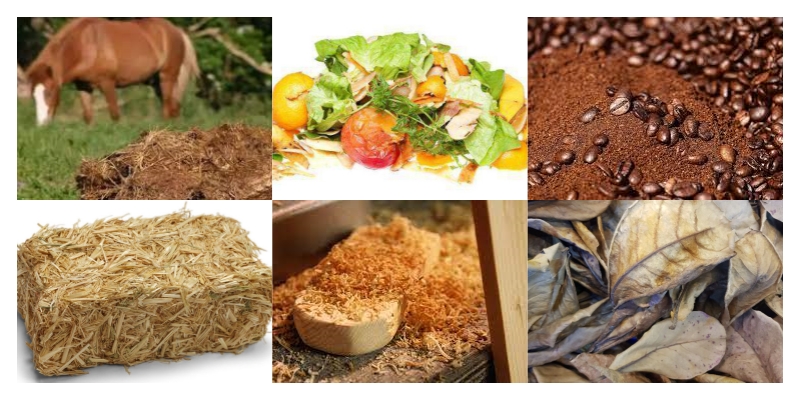
Carbon-based fertilizer production relies on chicken manure as the primary raw material, but additional organic or carbon-rich resources also support the process. Chicken dung often mixes with crop straws, rice husks, sawdust, or powdered biochar to regulate the carbon-to-nitrogen ratio. Bird manure contains moisture and nutrients, while powdery carbon materials increase porosity and improve microbial fermentation during composting. Some producers also add livestock dung such as cow manure or pig manure to balance the mixture. The preparation stage requires crushing machines to convert bulky raw materials into uniform powder, which enhances fermentation and later granulation efficiency. Therefore, the combination of chicken manure, powdered crop residues, and carbonized biomass forms a stable foundation for high-quality carbon-based fertilizer production.
How Does the Chicken Manure Processing Procedure Highlight the Role of Granulators?
The processing procedure for chicken manure carbon-based fertilizer includes composting, crushing, granulating, drying, and final packing. After fermentation, composted chicken dung still appears in a loose powdery state that causes problems during storage and transportation. The granulation stage changes this powder into uniform particles or pellets. Granulators such as disc granulators, double roller extrusion granulators, drum granulators, or new type organic fertilizer granulators transform the powder into spherical or cylindrical granules. A pelletizer machine reduces dust, increases bulk density, and ensures that each granule contains balanced nutrients. Granule making also improves the appearance of the fertilizer, which supports commercial sales. During this step, moisture control and binder adjustment determine the strength of the finished particles. The role of the granulator in carbon-based fertilizer manufacturing from chicken manure cannot be replaced by other machines, because only granulation ensures that powdered material becomes stable, easy-to-handle fertilizer granules.

What Other Machines Support Efficient Chicken Manure Carbon-Based Fertilizer Production?
Granulators stand at the core of fertilizer manufacturing, but other machines also contribute to the complete chicken manure processing procedure. Compost machines accelerate the aerobic fermentation of raw bird dung, which eliminates pathogens and odors. A crushing machine or carbon fertilizer grinder converts compost into fine powder, which prepares the material for granulating. After pellet making, a drying machine reduces granule moisture to extend storage life. Finally, packing machines seal and weigh carbon-based fertilizer granules for commercial distribution. In some cases, carbonization equipment such as furnaces can treat crop residues into biochar, which works as a stable carbon additive. Each machine complements the granulator, because without supporting equipment, the chicken manure carbon-based fertilizer manufacturing process cannot reach optimal efficiency and quality.
Why Should Producers Value Granulators in Carbon-Based Fertilizer Manufacturing?
In summary, chicken manure provides abundant nutrients for carbon-based fertilizer production, and supporting carbon-rich raw materials improve compost quality. The step-by-step procedure—composting, crushing, granulating, drying, and packing—shows that the granulator machine plays a central role in transforming powdery chicken dung into durable fertilizer granules. A carbon-based fertilizer manufacturer who invests in advanced granulation equipment ensures higher product quality, easier transportation, and stronger market competitiveness. For reliable solutions, a professional fertilizer equipment manufacturer such as Yushunxin offers specialized granulators, compost machines, crushers, dryers, and packing lines to support efficient chicken manure carbon-based fertilizer production. You can visit: https://www.charbasedfertilizermachine.com/product/chicken-dung-and-biochar-as-fertilizer/